

The rigid character structure gender identification wound represents a pivotal concept in Reichian and Lowenian bioenergetic theory, illuminating how deeply ingrained body armor and emotional suppression shape identity formation, particularly within the context of gender roles and expectations. This wound reflects the internal conflicts and defensive adaptations that arise when an individual’s authentic gender expression is constricted by familial, cultural, or societal forces, resulting in pronounced muscular tension, psychological rigidity, and protective character armor. For Luiza Meneghim phallic phase character , students of psychology, and self-aware adults navigat ing emotional barriers or exploring self-understanding, uncovering and working with this wound offers profound healing potentials, especially in dissolving perfectionistic defenses, fear of vulnerability, and the compulsion toward control often seen in the Achiever or Obsessional personality types.
Before delving into the specifics of this complex emotional pattern, it is critical to appreciate how character analysis and somatic therapy frame the body as a living archive of unresolved developmental tensions, often rooted in early oedipal conflicts and biographical wounds. The gender identification wound does not merely influence psychological attitudes but is palpably held within the body tension of the individual, manifesting as a form of character armor that bioenergetic analysis can help detect and gently release.
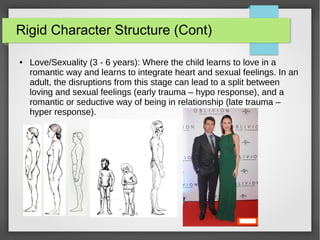
Understanding the Rigid Character Structure Gender Identification Wound
Character Armor and Gender Identity: A Somatic Perspective
Wilhelm Reich’s foundational principle that “character armor” is the muscular and emotional rigidity encoding defensive patterns is essential to understanding the gender identification wound. This armor protects from perceived threats of abandonment, shame, or judgment related to authentic gender expression. Within the rigid character structure, these defenses manifest as chronic muscular contractions and a limited range of emotional expression—especially in the pelvic and genital areas, highlighting the enduring impact of the genital character disturbances.
For instance, an individual rigidly identified with traditional masculine or feminine roles may unconsciously erect this armor to conceal vulnerability linked to their gender experience. The body holds this tension as a protective sheath, often incompletely integrated into conscious awareness. This results in a persistent dissonance between the self one is socially compelled to perform and the self that yearns for authentic embodiment. The extremity of this dissonance forms the basis of the rigid gender identification wound.
The Early Roots: Oedipal Wounds and Social Conditioning
The oedipal wound plays a pivotal role in structuring gender identification wounds. Early childhood experiences within the family matrix, including parental expectations and unresolved oedipal conflicts—desires and rivalries relating to the opposite parent—lay a foundation for the internalized gender norms and the associated emotional ambivalences. When a child’s natural expression of gender or sexuality is discouraged or punished, it plants seeds of shame, fear, and repression that the psyche and body encode as armor.
As the individual develops, these unprocessed emotions become embedded within the body armor, translating psychological rigidity into somatic rigidity, including constriction in the pelvic diaphragm and tightening of associated musculature. This physiological constriction restricts natural flow of emotional energy and spontaneity, resulting in the characteristic perfectionistic and controlling tendencies of the rigid character.
The Psychological Profile: The Achiever and The Perfectionist
Within clinical observations, individuals exhibiting a rigid character structure gender identification wound frequently present as high-achieving, emotionally guarded personalities. The archetypes of the Achiever or Perfectionist embody the psychological exterior that masks inner turmoil. These individuals often pursue excellence and control to circumvent vulnerability and feelings of inadequacy related to their gender identity conflicts.
This effort toward external mastery paradoxically tightens the somatic armor. Bioenergetically, the circumscribed energy flow resulting from muscular tension diminishes emotional resonance and spontaneity. Fear of vulnerability persists as a dominant affect preventing authentic relational engagement, perpetuating isolation despite social success.
Somatic Manifestations of the Gender Identification Wound in Rigid Character Structure
Body Tension and the Pelvic Diaphragm
The rigid character structure is most palpably observed in the tension of the pelvic diaphragm muscles, a region intimately linked to sexual identity and expression. Chronic tightening here reflects a splitting between the individual’s conscious self-report and the unconscious bodily reality.
Patients may exhibit inhibited breathing patterns, shallow diaphragmatic engagement, and restricted pelvic movement. This physical rigidity functions as a protective blockade that limits access to deep emotional currents, including shame, desire, and fear. Bioenergetic therapy emphasizes liberating this pelvic tension to restore natural energy flow, helping clients reconnect with authentic sensations of gender and sexuality untainted by perfectionistic defenses.
Upper Body Armor and Emotional Suppression
While the pelvic region is central, the rigid gender identification wound often extends into upper body areas—such as the sternum, shoulders, and jaw—reflecting global emotional suppression. The jaw, for example, may clench unconsciously to stifle expression; the shoulders may remain elevated or held rigidly to protect vulnerability.
This full-body armor creates a dichotomy where the external "performance" of gender is highly controlled and polished, while the interior life is constricted and undernourished. Psychologically, this contributes to the internal conflict many high-achievers face, struggling to sustain an image of completeness while hiding deep insecurity related to gender identity.
Bioenergetic Indicators and Diagnostic Tools
In clinical practice, bioenergetic analysis offers specific tools to assess and map the rigid character structure’s bodily manifestations. Observation of breathing patterns, posture, muscle tone, and movement quality reveals significant insight into where and how the gender identification wound is held somatically.
Tests such as the grounding test, observing how readily a person connects with the earth through their feet and legs, or the pelvic opening assessment, can reveal blockage or contraction associated with suppressed gender vulnerabilities. These somatic clues guide therapeutic intervention aimed at gradually dissolving armor and accessing repressed emotional material.
Emotional Armor and the Fear of Vulnerability
Perfectionism as Protective Strategy
Perfectionism frequently emerges as a hallmark compensation for underlying gender wounds within the rigid character. It serves to mask doubts and perceived imperfections inherent to internal gender conflict or societal non-conformity. This defensive strategy, however, traps the individual in relentless cycles of self-criticism and emotional suppression.
From a Reichian perspective, perfectionism reflects the tightening of character armor that restricts spontaneous emotional expression, born from an unconscious need to remain “safe” and unseen. The Achiever profile epitomizes this protective stance, channeling anxiety into goal-oriented behavior as a means to prevent exposure of inner vulnerability.
Emotional Suppression and Its Somatic Costs
Long-term emotional suppression required to uphold rigid gender roles exacts profound physiological tolls. These include chronic muscle tension, impaired autonomic nervous system functioning, and disrupted breath patterns—elements that feed back into psychological distress and somatic symptoms such as chronic pain, fatigue, and anxiety disorders.
The continual repression of feelings central to the gender identification wound—such as sadness, shame, longing, or fear—traps clients in a stifled emotional state. Somatic therapy’s role is to facilitate safe expression of these repressed affective energies, allowing dissolution of rigid defenses and emergence of a more integrated self.
The Role of Shame in Maintaining Rigidity
Shame, often described as a “core affect” in the repression of authentic gender identity, serves as a key driver of somatic and psychological rigidity. It is experienced as a felt sense in the body, frequently localized in the pelvic and abdominal areas—a kind of internal contraction of the self.
Psychotherapy that recognizes shame’s embodied aspects can guide clients through recognizing and softening this contraction. When shame is held in character armor, individuals are often guarded, socially withdrawn, or offensive in their interpersonal style, reflecting classic rigid character defenses.
Therapeutic Approaches to Healing the Gender Identification Wound in Rigid Character Structure
Bioenergetic Analysis and Grounding Techniques
Alexander Lowen’s bioenergetic analysis offers a potent framework for addressing the rigid character structure gender identification wound. Central to this approach are grounding exercises designed to restore the natural flow of energy from the feet through the pelvis and into the upper body, counteracting armor-induced fragmentation.
Grounding practices such as deep breathing, expressive movement, and tension-release exercises encourage release of the pelvic diaphragm’s chronic contraction, foster reconnection with bodily sensations, and create space for authentic gender embodiment. Over time, these methods weaken perfectionistic defenses and increase tolerance for vulnerability.
Character Structure Work: Softening Armor and Releasing Tension
Targeted character structure interventions help clients identify and metabolize the tension and defenses generated by the gender wound. Through guided body awareness, touch (where appropriate), and expressive exercises, patients learn to identify holding patterns and consciously soften muscular armor.
This physical softening is inseparable from emotional openness. For example, spontaneous vocalization or tears may emerge once the pelvic and upper body armor begins to dissolve, signaling access to previously repressed feelings of shame, confusion, or grief around gender identity.
Integrating Psychological and Somatic Insights
Successful therapy bridges cognitive understanding with bodily experience to heal the wound. Psychodynamically informed somatic therapy encourages exploration of early familial dynamics, such as the oedipal wound’s impact, while simultaneously attending to real-time bodily sensations. This dual approach provides a more profound integration than talk therapy alone.
For psychotherapists and students, developing this embodied sensitivity is paramount. It requires attunement to both verbal and nonverbal cues and cultivating presence to support clients safely as they encounter deeply guarded aspects of identity and vulnerability.
From Awareness to Transformation: Practical Steps for Self and Clinician
For Therapists and Psychology Students
Understanding the rigid character structure gender identification wound demands a fluid, compassionate posture that honors the complexity of gender and identity in somatic terms. Clinicians can deepen their practice by integrating Reichian and Lowenian bioenergetics with trauma-informed approaches, emphasizing gentle bodywork and paced emotional release.
It is crucial to approach clients’ defenses not as obstacles but as protective systems stemming from legitimate wounds. Through respectful inquiry, skillful grounding techniques, and fostering an atmosphere of safety, therapists facilitate clients’ journey from isolation to integration.
For People in Therapy and Self-Aware Adults
Embarking on healing the gender identification wound involves cultivating awareness of bodily armor and perfectionistic tendencies that shield the self from vulnerability. Practices such as mindful body scans, guided somatic exercises focused on pelvic openness, and expressive arts can support gradual release of tension and allow authentic gender expression to surface.
Additionally, exploring underlying familial and cultural narratives that shaped rigid gender roles offers insight and validates the individual experience. Compassion for one’s own woundedness is a vital catalyst for transformation.
Summary and Actionable Next Steps
Rigid character structure gender identification wound weaves a complex tapestry of emotional suppression, somatic rigidity, and identity conflicts rooted in early developmental and oedipal dynamics. Its impact reverberates through perfectionistic defenses, chronic body tension—especially in the pelvic and upper body regions—and fear of vulnerability.
Healing this wound requires a multidimensional approach combining bioenergetic analysis, character structure work, and trauma-sensitive psychotherapeutic interventions aimed at softening the body armor and reintegrating the authentic self.
Next Steps:
- Engage in grounding and breath awareness exercises daily to reconnect with the body.
- Explore therapeutic modalities that integrate somatic and psychodynamic elements—look for clinicians trained in Reichian or Lowenian bioenergetics.
- Develop a practice of compassionate self-reflection on perfectionistic urges and fear of vulnerability, tracing their possible links to identity immune responses.
- In therapy, use body-centered interventions to gently uncover and release stored pelvic and upper body tension.
- Foster communities of acceptance to counteract cultural shaming and isolation surrounding gender diversity.